
GFRC Wall Panels for Modern Architectural Facades
Glass Fiber Reinforced Concrete (GFRC) wall panels have emerged as a pivotal solution in modern architecture, offering a unique combination of durability, aesthetic flexibility, and lightweight construction. As urban centers increasingly demand taller, more visually complex buildings, GFRC panels provide an effective alternative to traditional concrete façades. They allow architects and engineers to achieve intricate textures, large spans, and sophisticated designs without compromising structural performance or long-term durability.
The global construction sector is experiencing a shift toward materials that balance strength, design flexibility, and sustainability. High-rise and large-scale commercial projects, in particular, require façade solutions that reduce dead loads, minimize installation time, and withstand environmental stresses. Traditional concrete panels, while structurally robust, often involve heavier weights and greater thickness, which can increase construction costs and complicate structural engineering requirements.
GFRC wall panels meet these market demands by offering lightweight, prefabricated solutions that retain superior mechanical strength. Architects and developers favor GFRC for its ability to accommodate complex geometries, customized textures, and large-format designs, which are essential for both commercial towers and residential high-rises. The increasing emphasis on sustainability and energy efficiency further drives the adoption of GFRC panels, as they can incorporate recycled aggregates, reduce material waste, and improve thermal performance.
GFRC is a composite material consisting of cementitious mortar reinforced with glass fibers. Unlike traditional reinforced concrete, which relies on steel rebar for tensile strength, GFRC achieves structural integrity through high-strength alkali-resistant glass fibers embedded throughout the concrete matrix. This reinforcement method provides multiple advantages:
High Tensile and Flexural Strength: Glass fibers distribute stress evenly, reducing the risk of cracking under bending or tensile loads.
Reduced Weight: GFRC panels are significantly lighter than conventional concrete, facilitating easier transportation, handling, and installation.
Enhanced Durability: The dense matrix and fiber reinforcement improve resistance to environmental degradation, including freeze-thaw cycles, UV exposure, and moisture penetration.
Design Versatility: GFRC panels can be molded into intricate patterns, large spans, and thin profiles without sacrificing strength.
These technical principles enable GFRC to perform reliably as both structural and decorative façade components, supporting a wide range of architectural visions.
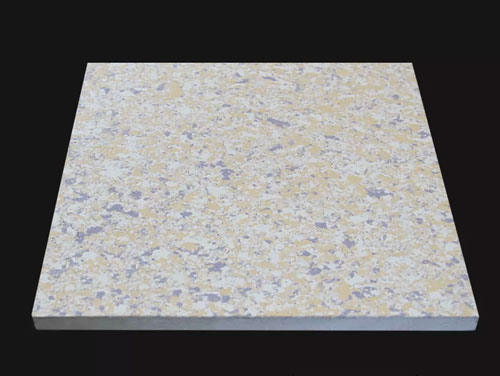
GFRC wall panels typically comprise:
High-quality Portland cement or blended cement
Fine aggregates such as silica sand
Alkali-resistant glass fibers for reinforcement
Chemical admixtures to enhance workability and cohesion
Pigments or coatings for aesthetic customization
GFRC panels are engineered to balance structural strength and weight reduction. Their thin profiles—often ranging from 1 to 2 inches—retain high flexural and tensile capacity due to fiber reinforcement. Large-format panels minimize joints, reducing potential points of failure and improving façade continuity.
Mixing: Cement, aggregates, fibers, and admixtures are combined to achieve a uniform matrix.
Casting or Spraying: Panels are formed using molds or sprayed onto molds for complex textures.
Curing: Controlled curing ensures optimal strength, minimizes shrinkage, and enhances durability.
Surface Finishing: Panels may undergo polishing, sandblasting, or coatings to achieve desired aesthetics and long-term protection.
This precision-controlled process ensures consistent quality, which is critical for large-scale architectural projects.
The performance of GFRC wall panels is influenced by several critical factors:
Fiber Distribution: Uneven fiber placement can reduce tensile strength and lead to localized cracking.
Panel Thickness and Geometry: Correct engineering is required to maintain structural integrity, especially for large-format or thin panels.
Curing Conditions: Inconsistent temperature or humidity during curing can affect durability and surface finish.
Environmental Exposure: Coastal or industrial environments may necessitate protective coatings to mitigate chloride penetration or pollution effects.
Installation Practices: Precise anchoring and alignment are essential to maintain performance and prevent facade movement under wind or seismic loads.
Attention to these factors during design, production, and installation ensures that GFRC panels meet the demanding standards of modern architectural applications.
Successful implementation of GFRC wall panels depends on selecting experienced suppliers. Key criteria include:
Proven track record in GFRC panel production
Capability to manufacture custom molds and complex panel shapes
In-house quality assurance and testing laboratories
Efficient logistics for transporting large-format panels
Engineering support for installation and façade integration
Collaboration with reputable suppliers minimizes risks of defects, installation delays, and performance issues, ensuring that high-rise façades achieve both functional and aesthetic objectives.
While GFRC panels offer numerous advantages, certain challenges must be addressed:
Higher Initial Costs: Material and manufacturing costs are greater than traditional concrete, although long-term savings often offset initial investment.
Installation Complexity: Large or intricately shaped panels require specialized handling, rigging, and anchoring systems.
Surface Quality: Poor fiber dispersion or air voids may affect aesthetics if quality control is not rigorous.
Limited On-Site Adjustments: Once prefabricated, GFRC panels cannot be easily modified without compromising structural integrity.
Proactive planning and adherence to engineering best practices help overcome these challenges and maximize the benefits of GFRC façade systems.
GFRC wall panels are widely adopted across various building types:
Commercial Towers: Large-format panels allow expansive, uninterrupted façades.
Residential High-Rises: Lightweight panels reduce structural loads while enabling intricate exterior designs.
Institutional Buildings: Schools, hospitals, and cultural centers leverage GFRC for durability and aesthetic appeal.
Public Infrastructure: Airports, bridges, and civic buildings utilize GFRC for impact resistance and long-term performance.
Notable examples demonstrate GFRC’s versatility in creating both functional and visually striking architectural exteriors.
The GFRC industry is evolving in response to sustainability, digital fabrication, and design innovation:
Prefabrication and Modular Panels: Large, uniform panels streamline installation and ensure consistent quality.
Sustainable Mixes: Incorporation of recycled aggregates and supplementary cementitious materials reduces environmental impact.
Advanced Surface Textures: CNC molds and robotic spraying enable detailed and customizable panel designs.
Enhanced Energy Performance: Integration with insulation layers improves thermal efficiency and occupant comfort.
Research in Longevity and Fire Resistance: Ongoing innovations aim to enhance performance under extreme conditions.
These trends indicate that GFRC wall panels will continue to play a central role in modern, sustainable, and visually compelling high-rise architecture.
1. What makes GFRC panels suitable for modern façades?
GFRC panels combine high tensile strength, lightweight construction, and design flexibility, making them ideal for complex, large-format architectural exteriors.
2. How are GFRC panels different from traditional concrete panels?
GFRC uses glass fiber reinforcement instead of steel, allowing thinner, lighter panels with superior tensile and flexural performance.
3. Can GFRC panels withstand harsh environmental conditions?
Yes, GFRC panels offer excellent resistance to moisture, UV exposure, freeze-thaw cycles, and pollutants, especially when paired with protective coatings.
4. Are GFRC panels suitable for high-rise buildings?
Absolutely. Their lightweight and high-strength properties reduce structural load while maintaining durability, making them suitable for tall buildings.
5. What are the main considerations when selecting a GFRC panel supplier?
Key factors include manufacturing expertise, quality control processes, mold customization capability, and installation support.
GFRC wall panels provide a transformative solution for modern architectural façades. By combining strength, lightweight design, durability, and aesthetic versatility, GFRC enables architects to create visually striking and functionally robust exteriors for high-rise and large-scale buildings. With sustainable material options, innovative manufacturing techniques, and growing adoption in commercial, residential, and institutional projects, GFRC panels are poised to remain a cornerstone of contemporary façade engineering. Careful attention to material selection, manufacturing quality, and installation practices ensures long-term performance, safety, and design excellence.
يستخدم هذا الموقع ملفات تعريف الارتباط لضمان حصولك على أفضل تجربة على موقعنا.

 English
 Español
 Portugues
 Pусский
 Français
 Deutsch
 日本語
日本語 한국어
한국어 Italiano
 Polski
 Türk dili
 Melayu
 中文
中文 қазақ
қазақ עִברִית
 українська
 norsk
norsk o'zbek
 ଓଡିଆ
ଓଡିଆ



 هاتف
هاتف
تعليق
(0)